

FAQs
Got questions? We’ve got answers.
Here's some of the most asked questions about Living Rugs...
-
What is a Living Rug?
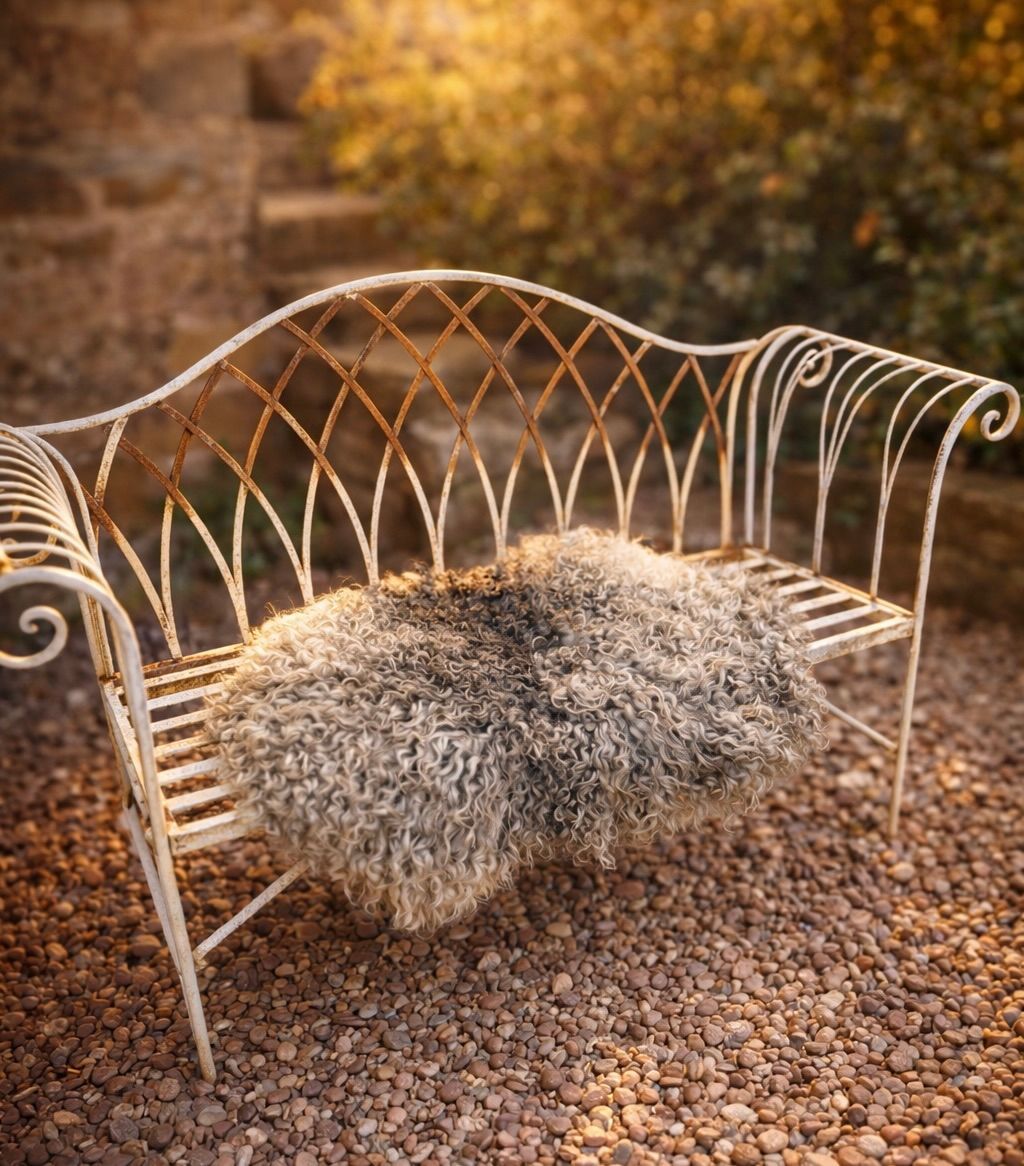
A Living Rug® is a unique felted fleece rug made from the naturally grown fleece of one of my own sheep.
The idea behind Living Rug® began here on our farm in the Peak District. I wanted to find a way to use the beautiful fleeces my sheep produced without using the animal's skin. After discovering that a fleece could be transformed into a rug using the traditional technique of wet felting, I began experimenting and eventually developed my own way of making them.
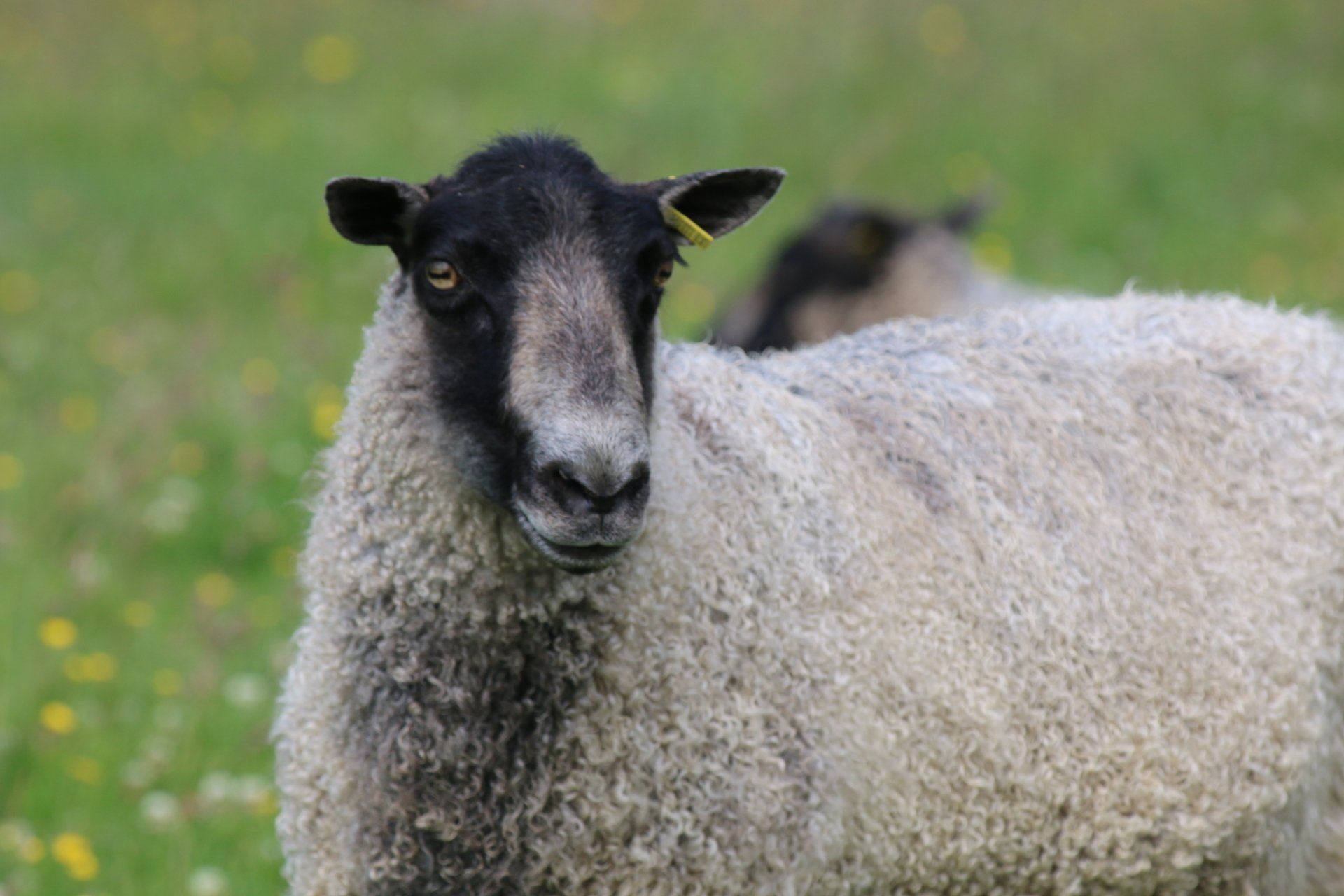
My sheep are a home-for-life flock. They are not raised for meat and they are not part of the food chain. They remain here on the farm throughout their lives, and their fleece is collected when they are shorn as part of their normal care.
For me, this is what makes a Living Rug® so special. The sheep is still here. The fleece has simply been given another life.
Every fleece is different, and every rug retains the natural character, texture and individuality of the sheep it came from. No two Living Rugs® are ever quite the same.
The name Living Rug® was chosen deliberately. It reflects the simple idea at the heart of my work — that we can enjoy the beauty and usefulness of sheep's fleece while the sheep themselves remain very much alive, loved and part of the farm.
The sheep comes first. The rug comes from the sheep — it is not the reason for the sheep.
That is what a Living Rug® means to me.
-
How is a Living Rug made?
The technique for making these rugs is called wet felting.The rugs are made in several ways depending on the condition of the fleece. If the fleece is fairly intact and in one piece carded wool is placed on the cut side of the fleece after the fleece has been cleaned of bits of hay, straw etc. The carded wool is worked into the fleece using hot water and soap using your hands to form a new skin. Then it is rolled in lots of directions until the felt is firm. If the fleece is in bits you can create a piece in a frame and follow the same procedure.
-
What are the rugs made from?
We make the rugs from the unwanted fleeces of our home for life flock only. We only use environmentally friendly soap and water from one of our springs on the farm.
-
How hard-wearing are these rugs?
It all depends on the breed and how the fleece/rug is made as some are more light-weight than others.
Most of the rugs we make do not moult but sometimes we get the odd one like a Herdwick or Valais Blacknose which can lose some hairs but we always give details in the description if it does and how much.
You should not have to do any repair on the rugs to replace fibre loss. If this is the case the rug has not been made properly. Obviously these are not sheepskins so are not going to be as strong but some are suitable for the floor as long as the footfall is light. Some you can sit on and again it depends on the breed. It's always best to read the description of the rug when you are purchasing and also read our after-care page which is available online via a password protected portal for purchasers only.
-
How old is the technique of felting rug?
Apparently, today's basic technique has been used since before sixth century BC. Some of these pieces of felt of been found in tombs and burial grounds in Siberia, Scandinavia and Germany. The theory is the cold climatic conditions help preserve the fibres. I personally had never heard of felted fleeces until eight years ago while researching for an idea to use my fleeces. It was there I found out that these rugs were very popular in the Netherlands and were called vegetarian sheepskins. I didn’t want to use that word so came up with my own original name Living Rugs. Also, if you would like to know more on felting there is also a great article from the American Anthropologist 9 (Vol 32) on the early history of felt which goes into lots more detail.
-
How do you clean the rugs?
The rugs are washed lots of times by hand which we find is the best way to get rid of the dirt and the grease (lanolin) from the rug. The rug should be completely clean when you receive it and the tips of the fleece should be clean as well. If the ends (tips) of the fleece are not clean then the rug has not been cleaned properly. We check the rugs for bits of hay or straw and if you are lucky you may find one or two natural bits but as a rule it will be very rare if you do.
-
Can you wash the rug?
If you would like more information on how to clean your rugs, please see our sister website The felted fleece collective for more details.
-
Do the rugs smell?
Not if the rugs have been washed properly. We normally do a last rinse in some nice smelling conditioner but this will fade fairly quickly and you will be left with a natural woolly smell. Wool is naturally self cleansing and doesn't keep smells or have odours really.
-
Do you get a picture of the sheep?
We are more than happy to provide a picture of the sheep from which your rug is made from. Please just let us know if you want one sending with the rug.
-
Why did you trademark “Living Rug®”?
Living Rug® is the name I created to describe my own unique felted fleece rugs, made from the fleeces of my home-for-life flock.
As the business grew and the name became increasingly associated with my rugs and the story behind them, I decided to formally register Living Rug® as a UK trademark in 2020.
The trademark is simply there to protect the name and the identity that I have spent many years building. It helps customers recognise when they are looking at an original Living Rug® from The Living Rug Company.
There are many talented people making beautiful felted fleece rugs, and I have always believed there is room for creativity in this craft. The trademark isn't about preventing other people from making felted fleece rugs — it is about protecting the Living Rug® name and the story and reputation that belong to The Living Rug Company.
When you see Living Rug®, you can be confident that you are looking at the original Living Rug® from The Living Rug Company.
-
What are Woolly Dots?
Woolly Dots are smaller felted fleece pieces created using the same natural process as my LIVING RUG® rugs. Each one is handmade from real sheep fleece, carefully felted to preserve its texture, warmth, and unique character. Not every fleece is suitable for a full rug, so Woolly Dots allow more of each fleece to be used and appreciated. This means less waste and ensures that every fleece has value, even if it doesn’t become a full-sized piece. Woolly Dots are typically made as round, thick seat pads, ideal for stools, chairs, or as a cosy resting spot for pets. Like all of my work, each piece is completely individual, shaped by the natural qualities of the fleece it comes from. Because they are made in small batches from individual fleeces, availability can vary. If you are looking for something specific, you are always welcome to get in touch to find out what is currently available.
All Woolly Dots are part of the LIVING RUG® Collection.
Payment & Returns
-
What type of payment methods do you accept?
We take all major credit cards/debit cards
-
What is your return policy?
We don't really have a return policy any more because we are so confident that you will be happy with your rug. If not you need to contact us within 24 hours of receiving the rug. We only normally accept returns if the item is damaged. Please make sure you read the description of the rug to make sure you are buying the right rug for your needs.
Shipping
-
Which shipping company do you use?
We use Royal Mail and Parcelforce. All deliveries are tracked and insured.
General Questions
-
Could you make a rug from my sheep fleece?
No Sorry.
All Rights Reserved |The Living Rug Company Ltd